Best Value Investing Books
Value investing books teach the foundational discipline of buying businesses at a discount to their intrinsic worth — pioneered by Benjamin Graham and perfected by generations of investors including Warren Buffett, Charlie Munger, Seth Klarman, and Joel Greenblatt. These books provide the mental models that serious investors return to throughout their careers.
Apply these frameworks with current research from our value investing newsletters and stock analysis directory. Browse all 100+ books →
All Value Investing Books (14)

100 Baggers
Christopher W. Mayer studies stocks that returned one hundred times their original investment and identifies the business quality, growth, ownership, and patience behind them.

Capital Returns
Edited by Edward Chancellor, this collection of Marathon Asset Management reports shows how changes in industry investment and supply can signal future shareholder returns.

Competition Demystified
Bruce C. Greenwald and Judd Kahn offer a focused method for analyzing competitive advantages through barriers to entry, economies of scale, customer captivity, and strategy.

Margin of Safety
Seth A. Klarman explains a risk-averse value-investing philosophy built around buying at a discount to intrinsic value, avoiding permanent loss, and resisting market fashion.

Money Masters of Our Time
John Train profiles leading investors including Warren Buffett, Peter Lynch, George Soros, Julian Robertson, and John Templeton, drawing out the principles behind their long-term records.

One Up on Wall Street
Peter Lynch explains how individual investors can turn everyday observations into research ideas and identify promising companies before Wall Street fully recognizes them.

Security Analysis, Seventh Edition: Principles and Techniques
Benjamin Graham and David Dodd's foundational text sets out rigorous methods for analyzing securities, estimating intrinsic value, and investing with a margin of safety.

The Bank Investor's Handbook
Nathan Tobik and Kenneth J. Yellen explain how banks make money and how investors can analyze their balance sheets, asset quality, capital, management, and valuation.

The Essays of Warren Buffett: Lessons for Corporate America
Lawrence A. Cunningham organizes Warren Buffett's shareholder letters by theme, creating a practical guide to corporate governance, capital allocation, valuation, and investing.
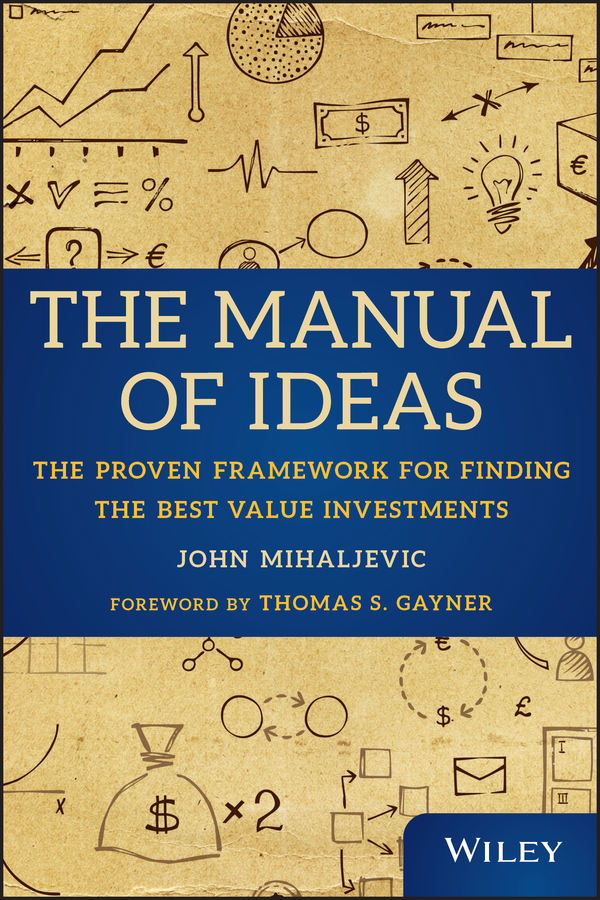
The Manual of Ideas
John Mihaljevic presents a research-driven framework for generating investment ideas across value strategies, from Graham-style bargains to special situations and quality businesses.

The Most Important Thing
Howard Marks explains second-level thinking, price versus value, market cycles, defensive investing, and the central role of risk control in superior long-term results.

The Warren Buffett Way
Robert G. Hagstrom distills Warren Buffett's approach to evaluating businesses, management, financial strength, intrinsic value, and long-term portfolio decisions.
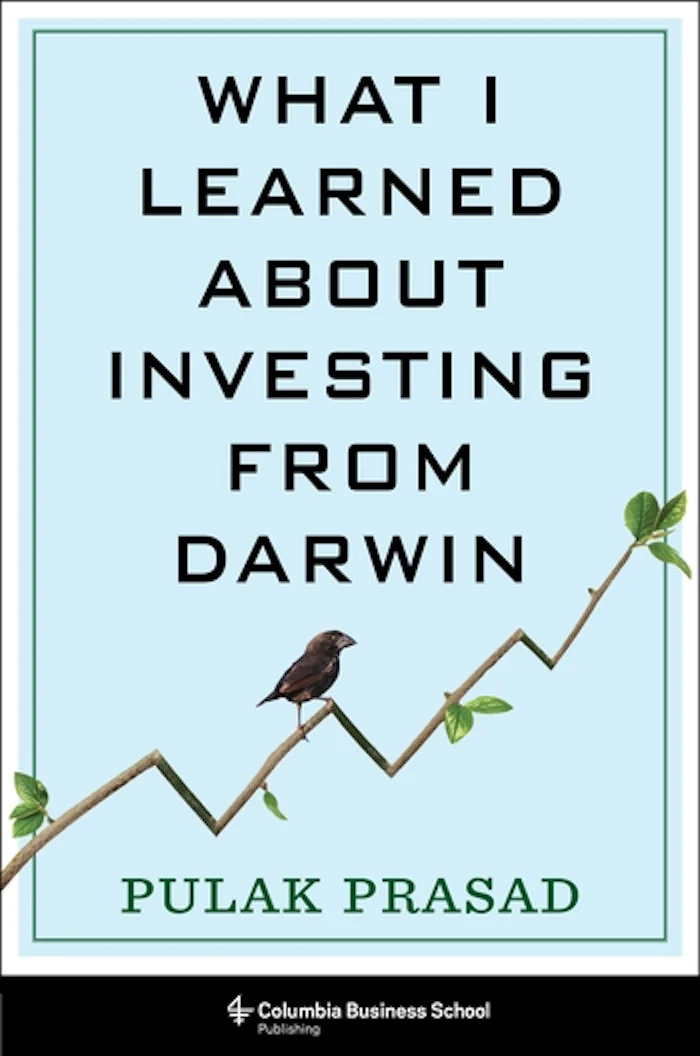
What I Learned About Investing from Darwin
Pulak Prasad applies ideas from evolutionary biology to long-term investing, emphasizing high-quality businesses, careful selection, and the discipline to hold patiently.

You Can Be A Stock Market Genius
Joel Greenblatt presents an accessible framework for finding mispriced special situations such as spinoffs, restructurings, merger securities, and bankruptcies.
Related Book Categories
Frequently Asked Questions
What is the best book to start with for value investing?
The Intelligent Investor by Benjamin Graham is universally considered the foundational text for value investing. Warren Buffett has called it 'by far the best book on investing ever written.' It introduces the core concepts of margin of safety, Mr. Market, and the difference between investment and speculation. For a more modern take, The Little Book That Beats the Market by Joel Greenblatt is an accessible starting point.
What are the most important value investing books of all time?
The canon includes: The Intelligent Investor (Graham), Security Analysis (Graham & Dodd), Common Stocks and Uncommon Profits (Fisher), One Up on Wall Street (Lynch), You Can Be a Stock Market Genius (Greenblatt), Poor Charlie's Almanack (Munger), and The Essays of Warren Buffett (Cunningham). Each offers a distinct angle on finding undervalued businesses.
Are there good value investing books for beginners?
Yes. The Little Book That Beats the Market (Greenblatt), The Little Book of Value Investing (Browne), and Margin of Safety (Klarman) are written accessibly despite covering sophisticated concepts. Many beginners find these more approachable than Security Analysis before moving to the original classics.
How do value investing books complement newsletters and podcasts?
Books provide the foundational frameworks — how to think about intrinsic value, what makes a business durable, how to evaluate management. Newsletters and podcasts provide current applications of those frameworks to today's market. Reading the classics first makes you a much better consumer of ongoing investment research.